PATIENT SAFETY
Safety
Explore short articles on bedside care, patient safety, and fall prevention, grounded in peer-reviewed research and guidance from healthcare organizations.
The NXS platform empowers frontline teams with visibility across documented rounds, patient calls, and follow-up, so every patient, every visit, and every moment counts.
Experience Command Center, LLC is dedicated to giving healthcare staff the tools to recognize risks early, respond to patient needs, and work toward the safest, most positive care experience possible.
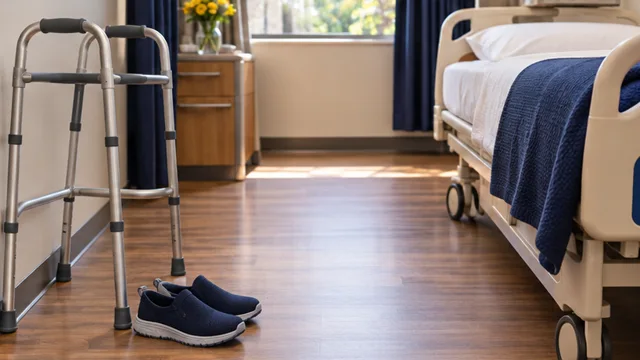 The last look before leaving the roomA brief placement and environment check can make the bedside easier to navigate and help patients call for assistance.
AHRQ describes universal fall precautions as practices that apply to every hospital patient. Its hospital toolkit recommends keeping the call light and personal possessions within safe reach, maintaining a clear and dry floor, locking bed brakes, using appropriate lighting, and checking that the patient understands how to use the call light.
A purposeful round creates a natural moment to review those basics. AHRQ’s scheduled-rounding protocol includes offering toileting assistance, checking footwear and bed position, placing frequently used items within reach, and asking whether the patient needs anything before staff leave. The toolkit also emphasizes that fall-risk assessment and the prevention plan should remain individualized to the patient.
These checks should follow the hospital’s approved policies and the patient’s clinical care plan. A documented round confirms that a workflow step was recorded; it does not establish that every safety precaution was completed or replace clinical judgment.
How this relates to NXS. NXS supports operational visibility by showing documented Command Rounds, patient calls, and follow-up activity. That visibility can help frontline teams recognize rooms that may be due for another check-in and review whether the unit’s rounding workflow is being carried out. Clinical fall-risk findings, assessments, interventions, and care-plan documentation remain in the facility’s designated clinical systems and processes.
AHRQ — Preventing Falls in Hospitals: A Toolkit for Improving Quality of Care
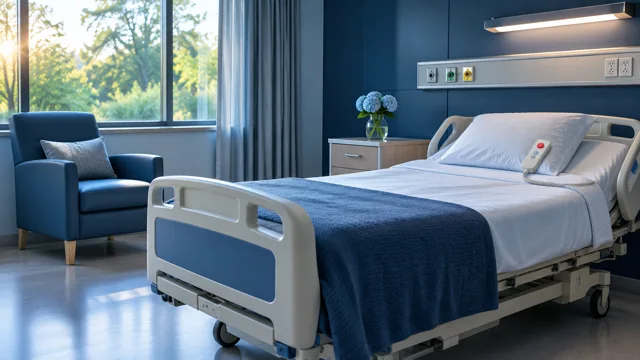 What purposeful rounding can improveA consistent bedside check-in can help staff anticipate needs and review gaps in follow-up.
Purposeful rounding is a planned bedside check-in. Staff use the visit to listen, address needs within their role, and follow up according to the patient’s care plan and the unit’s workflow. The right interval depends on the setting and the patient’s needs.
A systematic review reported improvements in perceived nursing responsiveness and reductions in call-light use and falls across included studies. The studies varied in design and quality, so the review cannot establish how much benefit a particular unit should expect.
How this relates to NXS. Command Rounding records documented check-ins and helps teams see when another check-in is due. A scan records workflow activity. Assess the quality of bedside care using additional observations and patient feedback.
 Make more bedside contact countEvery bedside visit is an opportunity to hear what matters to the patient.
Regular contact gives patients and families more chances to ask a question or raise a concern. A useful check-in includes time to listen and a clear next step when staff cannot resolve the concern during the visit.
AHRQ’s hospital engagement guide describes bedside shift report as one way to involve patients and families in care transitions. The same communication principle applies to check-ins: give people a chance to speak and respect their preferences about family involvement.
How this relates to NXS. Command Rounding can help a unit see where check-ins were documented. Staff can use that visibility to support their rounding workflow while keeping the conversation at the bedside.
 Recognize changes and escalate earlyA bedside concern is most useful when it reaches the person who can act on it.
A patient or family may notice a change during a visit and mention it before the team is aware. Staff should follow their facility’s escalation procedures when a concern needs clinical assessment.
NICE guidance for acutely ill adults recommends a structured approach to observing and responding to deterioration. It calls for a graded response triggered by physiological observations or clinical concern. A routine round is an additional opportunity to listen and observe.
How this relates to NXS. NXS can show documented check-ins and configured operational escalations. Clinical findings and urgent concerns belong in the facility’s clinical documentation and response pathways.
NICE guidance on recognizing and responding to deterioration
 Use near misses to prevent harmA near miss can reveal a weakness in a workflow before anyone is injured.
AHRQ’s Patient Safety Network describes event reporting as a way to surface near misses and unsafe conditions. A useful report gives a safety team enough context to understand what happened and look for contributing factors.
Reports capture only the events that people notice and report. Teams can use direct observations and other data alongside reports to look for recurring problems and decide whether a change helped.
How this relates to NXS. NXS records can help a unit review when rounds or calls were documented and where follow-up may need attention. Use the facility’s designated safety reporting process for near misses and incident investigation.
Build fall prevention around the patientA fall-prevention plan works best when the bedside team and patient know what help is needed.
A fall-prevention plan should reflect the individual patient’s risks and the steps their care team has agreed on. That can include planning how the patient will get help with transfers or toileting and involving the patient and family in the conversation.
A nonrandomized study across three academic medical centers found that a nurse-led Fall TIPS program was associated with lower rates of falls and fall-related injury. The study evaluated a patient-specific prevention program that linked risks to interventions.
How this relates to NXS. NXS can help teams track documented check-ins and call responses. The patient’s clinical fall-risk assessment and prevention plan remain in the hospital’s approved care workflow.